

As a business, marketing isn’t always about selling, but about building meaningful connections. You want your audience to feel understood and valued, while creating a relationship that lasts beyond a single transaction. This is where advocacy advertising plays an important role.
Key Takeaways
- Advocacy advertising is a form of storytelling that sheds light on a cause or social message and promotes products as a solution, rather than directly selling them.
- An advocacy ad can help build trust, evoke emotions, and establish long-term credibility. When done authentically, it improves brand perception and audience loyalty.
- Real-world advocacy ads examples that show purpose-driven messaging drives significant engagement
In a world where brands usually market their features and price tags, advocacy advertising does something different, it helps create a perspective. Brands that embrace advocacy advertising move past regular marketing strategies to address societal issues that voices their brand values.
What Is Advocacy Advertising?
It is a marketing approach where a brand supports a social, political or environmental cause rather than focusing solely on products or services. The campaign highlights values, public beliefs, or issues that matter to the brand and its audience.
Advocacy Advertising Meaning
At its core, advocacy advertising is essentially communicating what your brand really stands for. With advocacy advertising organizations aim to connect with their audience emotionally while establishing trust and long-term client relationships.
For businesses looking to reanimate their branding & digital marketing strategies, advocacy advertising can be a powerful way to stand out from the crowd.
Issue Advocacy Advertising Definition
Advocacy advertising is also called issue advocacy advertising in many contexts. These campaigns are run by non-profit organizations or interest groups and are primarily used to influence public opinion regarding social, political or economic agendas.
It is commonly used in environmental campaigns, public health messaging, social justice movements, and government awareness initiatives.
Recent trends in digital marketing are proof that the majority of the audience is shifting towards brands that align with social and environmental values.
Advocacy Advertising vs Advocacy Marketing
It is a common misconception that advocacy advertising and advocacy marketing are the same. But they are not the same.
Key Differences Explained
| Aspects | Advocacy Advertising | Advocacy Marketing |
| Purpose | Promotes social, political or environmental causes through paid campaigns to increase brand awareness and communicate value. | It focuses on promoting products through customer referrals and brand promoters. |
| Primary goal | Strengthen brand positioning and reshape public opinion. | Aims to build trust through word of mouth and referrals. |
| Methods | The brand creates and controls the narrative. | Customers, employees or partners share their experiences. |
| Channels used | Paid media such as digital ads, TV, print media, social media, run sponsored campaigns that support search visibility and engagement. | Reviews, testimonials, referrals, and social sharing. |
| Long-term impact | Reinforces purpose driven branding and public recognition | Builds loyalty and community-driven brand growth |
When Should Brands Use Advocacy Advertising?
Brands should take up advocacy advertising when a social issue genuinely aligns with their core values or long-term vision. It is particularly effective if you are looking to increase online visibility of your business while reinforcing what your brand truly stands for.
This creates meaningful engagement and conversations through purpose-driven storytelling. In competitive markets, it helps create stronger emotions and forge deeper connections with the audience.
Major Benefits of Advocacy Advertising
Builds Strong Brand Trust
Modern consumers expect brands to show commitment beyond profit, and advocacy advertising helps brands do just that. They help brands build credibility and long-term trust.
Increases Brand Awareness and Reach
It is essential to understand the importance of branding in business when adopting advocacy advertising. Because it helps you recognize the significance of a thought-provoking campaign, and how it can increase engagement and shares.
Drives Meaningful Audience Action
One of the benefits of social media marketing is to inspire action through advocacy ads, such as signing petitions, liking, sharing, and supporting a community initiative. It drives meaningful audience action.
Powerful Advocacy Advertising Examples
1. Environmental Advocacy Campaigns

Image Source – engagebay
“Don’t buy exotic animal souvenirs” – The message behind this campaign was to curb wildlife trafficking and the sale of exotic animals.
2. Public Safety Advocacy Ads

Image Source – engagebay
This advocacy ad by NNECA aimed to raise awareness and protect women and children from sexual abuse.
Advocacy Advertising Examples in India
1. Swachh Bharat Abhiyan
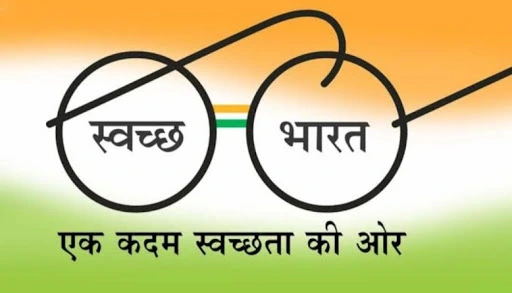
Image Source – Swachh Bharat Mission
This campaign is one of the strongest examples of issue-based advocacy ads in India.
2. Social Awareness Campaigns

Image Source – kreafolk
A powerful campaign launched by Save the Children to help children from any form of abuse.
3. Improves Topical Relevance

Image Source – tataconsumer
Launched during the #Covid19 era, the ad encouraged citizens to help the daily wage labourers of society.

How to Create an Effective Advocacy Ad
Choosing the right cause
The right cause feels authentic and not opportunistic. Select a cause that aligns with your brand’s values and audience expectations.
Crafting an authentic message
Your message must be authentic across all platforms and reflect genuine commitment. Use insights from top digital marketing tools to track sentiment, engagement and audience feedback.
Use storytelling and emotional appeal
Storytelling makes a powerful advocacy advertising messenger. Instead of statistics alone, share stories that share value and appeal to public emotions.
Social media platforms in India are also a great way to reach out to your client base. Short videos, live sessions via live streaming apps, and engaging social posts create impact.
Best Practices for Advocacy Advertising Success
- Stay consistent because advocacy isn’t a seasonal campaign. Audiences quickly notice when brands voice their concerns about an issue and then do not follow up with tangible actions.
- Avoid controversial positioning unless you are fully prepared. Taking a stand does build loyalty, but it also garners criticism. Evaluate potential risks beforehand and respond thoughtfully.
- Integrate campaigns across paid and organic channels for maximum impact. A unified approach can help improve authenticity and overall reach.
- Success in advocacy advertising isn’t only about revenue. Track audience engagement and media reviews to understand the impact of your efforts.
Common Mistakes to Avoid
Here are some of the common mistakes businesses must avoid when creating an advocacy advertising ad-
- Supporting a cause unrelated to your brand
- Being vague or overly generic
- “Cause-washing” without appropriate action
- Ignoring audience sentiment
- Treating advocacy as a temporary fad
Conclusion
Socio-economic and environmental issues are now more visible thanks to the media. And with the audience raising their voices and taking action, brands now realize that advocacy advertising is more than just a marketing tactic. It raises online visibility for your business. Businesses that implement it authentically build trust, improve brand visibility, and strengthen long-term customer relations.
If you are looking to integrate advocacy advertising in your campaigns, partnering with the best digital marketing agency can help you align your purpose with the audience and create a measurable impact.
FAQ’s
- What companies use advocacy advertising?
Many global brands incorporate advocacy advertising into their marketing strategies. Companies such as Nike and Dove are well known for aligning their brand value with social, political and environmental issues. - What is advocacy advertising in marketing?
Advocacy advertising is when a brand promotes a social, political or environmental cause to convey its value rather than directly selling its product. - How is advocacy advertising different from traditional advertising?
Traditional advertising focuses on products and sales while advocacy advertising focuses on values, beliefs, and long-term connection. - What are some popular advocacy advertising examples?
Nike’s storytelling, Apple’s “shot on iPhone” campaign, and Tata Tea’s “Jaago Re” initiative are some popular advocacy advertising examples. - Why do brands use advocacy advertising campaigns?
Brands use them to build trust, strengthen brand identity, and connect with the audiences who share similar values. - What companies use advocacy advertising successfully?
Companies that clearly define their values, stay aware of current issues, and align their products with meaningful messages tend to succeed with advocacy advertising.












What do you think?
[…] Fake followers reduce engagement quality and make it harder to measure actual performance. Focus on attracting genuine followers who interact with your content consistently. Authentic engagement supports better rankings and strengthens your presence across social media platforms. […]
[…] analyze engagement, and identify audience trends effectively. Being active across multiple social media platforms, brands today increasingly use AI tools aiming to improve content performance and […]
[…] discovery is no longer limited to traditional Google searches and review directories. Social media platforms have become a visual search tool where diners can discover restaurants through short-form videos, […]
Comments are closed.